.jpg)

The idea was simple.
The path wasn’t.
Creating wearable light therapy took more than design, it took curiosity, patience, and a willingness to start over. In 2018, Lucas stepped away from the noise. No launches. No headlines. Just quiet, relentless experimentation.He studied how our bodies respond to light. Built prototypes. Broke them. Rebuilt them. Again and again.
Then something clicked.
What if light didn’t need a device, what if the lens itself became the experience? By the end of that year, he made it real: a way to turn ordinary lenses into something that could work with the body, not against it. That breakthrough became the foundation of Lumos, and one of its core patents.
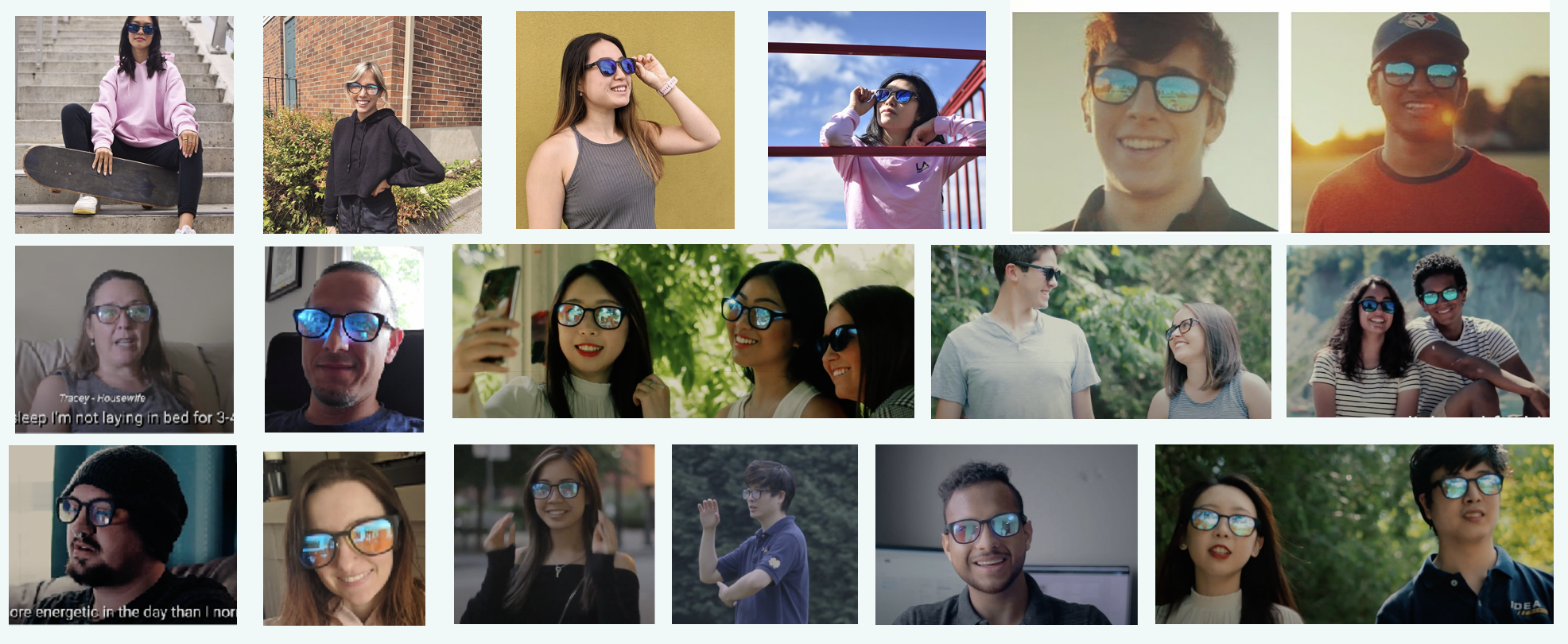
It looked like ordinary glasses.
It felt like them too.
But it carried years of quiet work inside.When Lucas shared it with Dr. Jamie Zeitzer, the response was immediate. With decades of experience in circadian science, he saw what this really was not a gadget, but a new way to deliver light as medicine.
He didn’t just support it. He joined. From that moment on, science and engineering moved forward together.
With a working prototype and scientific partnership in place, Lumos stepped into the public eye.
In 2020, Lucas and Dr. Zeitzer showcased Lumos at CES with the first polished wearable light therapy system. For many visitors, it was their first time seeing light therapy integrated into everyday eyewear.
Lumos was recognized as one of the most promising sleep technology startups to watch, validating years of quiet research and experimentation.
What had begun as a personal solution was becoming a movement.