
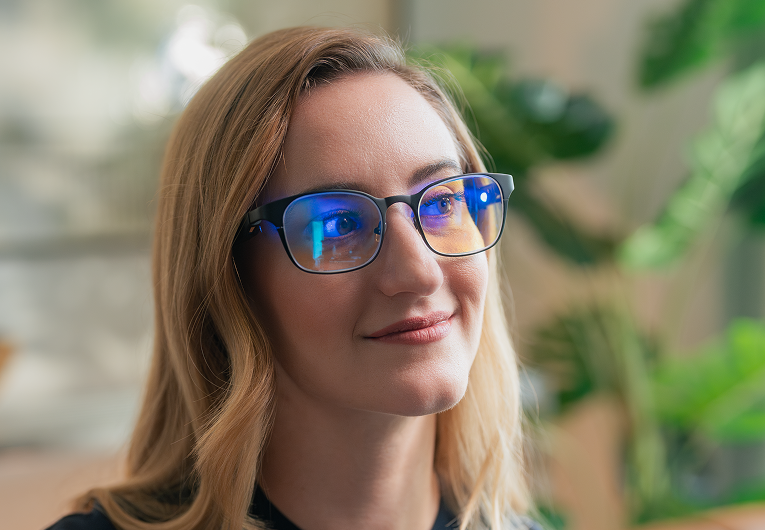
Feel better days. Sleep better nights.

Clinically tested light therapy designed to support mood, energy, and sleep.
Designed by Dr. Jamie Zeitzer, Stanford Sleep Medicine
✓ HSA / FSA eligible

Who is Lumos For?

If you spend most of your day indoors, your body may not be getting the light it needs — even if it’s sunny outside.
Sleep Problem
Disrupted circadian rhythm commonly leads to difficulty falling asleep, frequent awakenings, and excessive daytime sleepiness.
Fatigue
Circadian misalignment can contribute to persistent tiredness, reduced alertness, and impaired cognitive performance.
Mood Disorder
Altered light exposure and circadian rhythm disturbances are commonly associated with mood regulation challenges.
Winter Blues
Reduced daylight exposure during winter months is often associated with low mood, reduced motivation, and decreased energy levels.
Jet Lag
Rapid travel across time zones can cause temporary circadian disruption, resulting in sleep difficulties, fatigue, and impaired focus.
Shift Work
Irregular or night work schedules frequently disrupt circadian timing, leading to sleep disturbances and reduced daytime functioning.
Sports Performance
Circadian rhythm misalignment may negatively impact reaction time, recovery, endurance, and overall athletic performance.

Designed to Fit Into Your Day — Not Disrupt It

A Wearable Light Therapy Solution for Indoor Living

Proximity Sensor

Sensor will track usage time for personalized insights and clinician integration

Melanopic Activating Light

Turqoise-blue light of 480nm, most effective for activating melanopsin

Patented Lenses

Our special nano coating reflects melanopic light at near 100% efficiency, making the light subtle to the external observer

Ambient Light Sensors

Special light sensors that respond to melanopic lux emulating human biology and can be tracked in the Lumos App

Button

Adjust brightness modes or toggle Bluetooth using the buttons

The Problem Isn’t the Sun — It’s How We Live Indoors

Modern lifestyles keep us inside for most of the day, weakening the light signals your body depends on — even when it’s bright outside.
Mockup

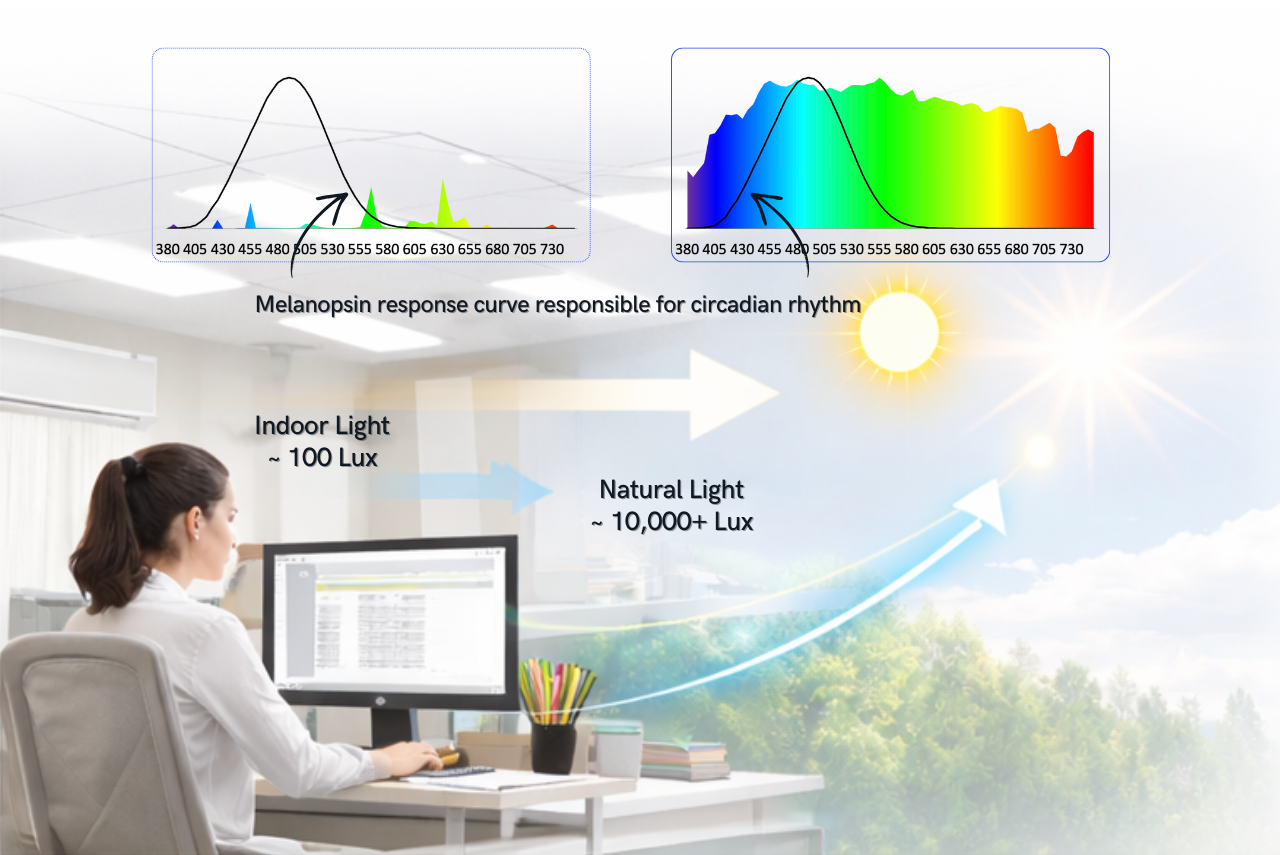
Indoor Light Is Too Weak for Your Circadian Rhythm

Our biological clock evolved under natural daylight. But today, most indoor environments provide only a fraction of the light intensity your brain needs to properly regulate energy, alertness, and sleep timing.
Mockup

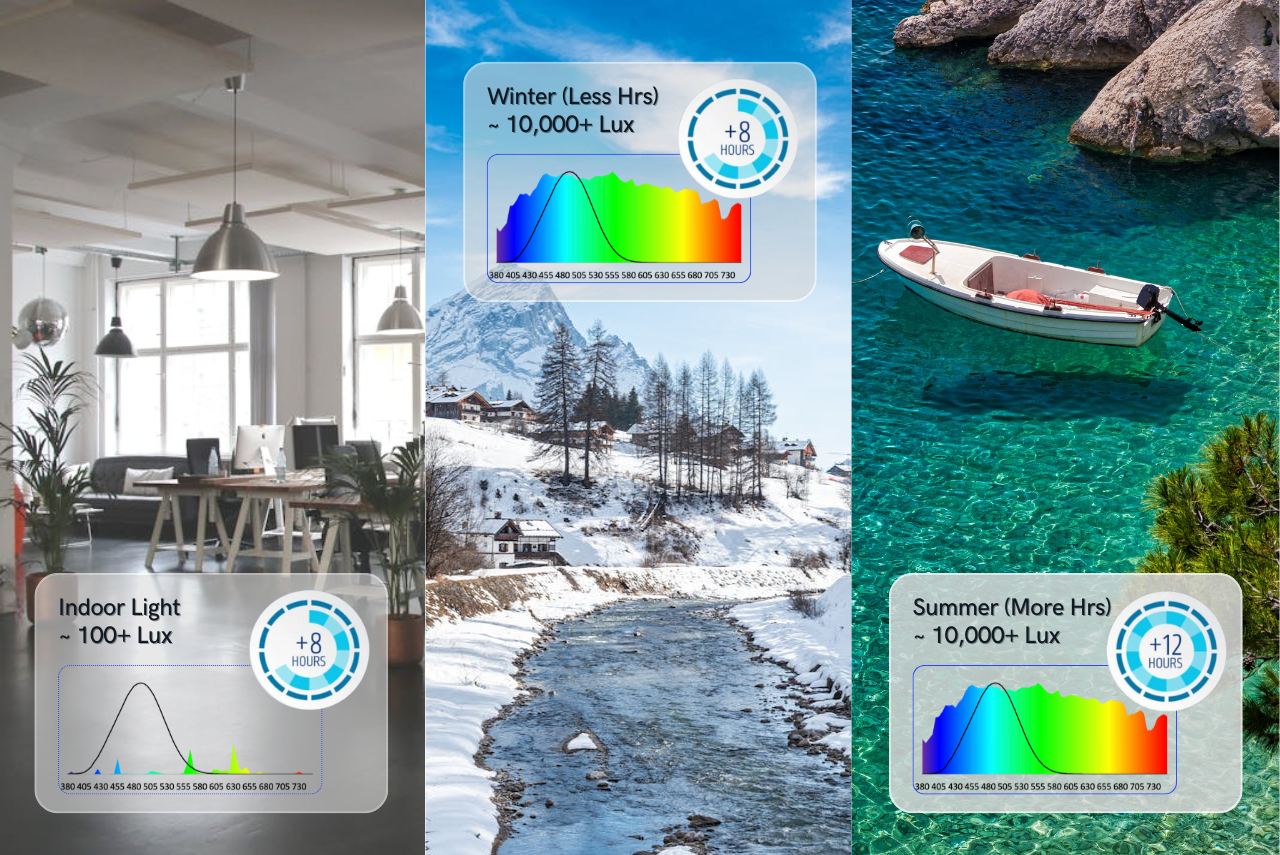
Light Therapy Isn’t Just for Winter

Light therapy is often associated with gloomy winters and Seasonal Affective Disorder. But circadian disruption happens year-round when daily light exposure is inconsistent or insufficient.

Light Affects the Body Differently Across the Day

The circadian system responds to both the timing, intensity and wavelength of light.
Morning, daytime, and evening light send distinct biological signals that influence sleep–wake regulation.
Morning Light

Setting the Circadian Clock

Exposure to sufficiently bright light in the morning helps align the body’s internal clock with the day–night cycle, supporting alertness during the day and sleep timing at night.
Morning light anchors circadian phase timing
Supports daytime alertness and wakefulness
Influences the daily pattern of hormone release
Daytime Light

Setting the Circadian Clock

Consistent light exposure throughout the day helps maintain circadian stability. Indoor environments often provide light levels far lower than those experienced in natural daylight.
Strong daytime light strengthens circadian signaling
Biologically dim days can weaken rhythm stability
Indoor lighting is often insufficient despite visual brightness
Evening Light

Increasing Light Sensitivity

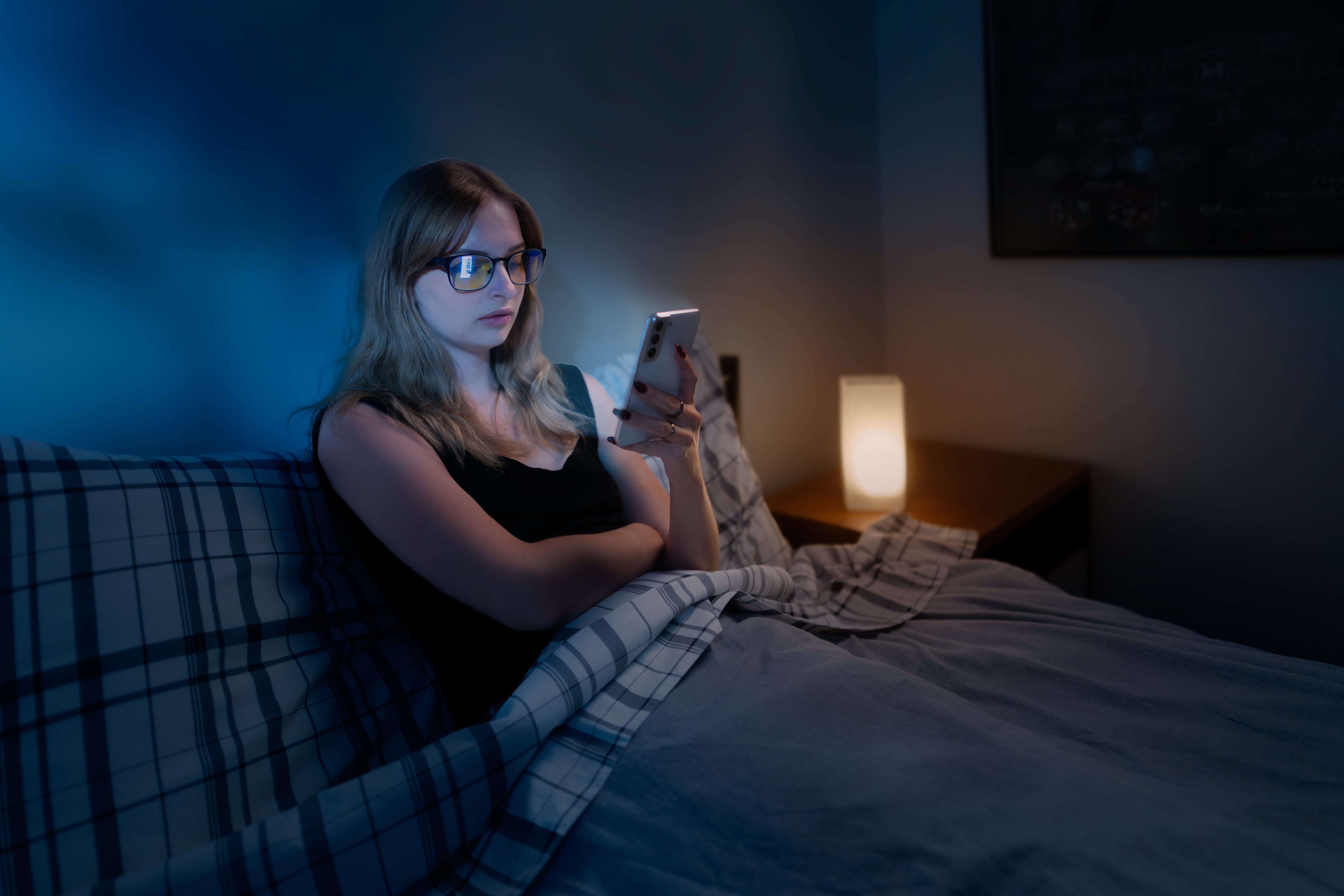
As evening approaches, the circadian system becomes more sensitive to light. Exposure during this period can delay internal timing and affect the natural transition toward sleep.
Evening light can delay melatonin onset
Shorter wavelengths have stronger circadian effects
Lower-intensity light is less disruptive at night
Blue Light Blocking

A Time-Specific Strategy

Reducing exposure to blue-enriched light in the evening is a strategy used to minimize circadian disruption during periods of heightened sensitivity.
Most relevant during evening and night hours
Supports the body’s natural wind-down phase
Complements, but does not replace, daytime light exposure
Also Featured On
Effortless Light Therapy, Powerful Results
Transformative Results with Profound Impact on Sleep
"Lumos Glasses help me get the correct amount of light every day. They help keep me energetic and up in the mornings despite being a night owl."
Jagbir
Student
"I feel more energetic during the day than I normally do. I don't wanna just loaf around. I wanna get up. I've been going for more afternoon walks too."
Matt
Shift Worker
"I used to have nightmares all the time and after the first few days of using Lumos Glasses, they were gone."
Jess
Clinical Patient
Learn More About The Science and Our Team Behind Lumos
Explore our three-step approach to see how we make you sleep better
About
01
Meet the Team Behind Better Sleep
Meet the talented, research-driven team bringing better sleep to life.
View Team
Science
02
Why It Works?
Discover the sleep science and research powering Lumos light therapy.
Learn More
Product
03
Experience Lumos
See how our light therapy glasses help you wake refreshed and sleep better.
Explore Lumos
Features

Cutting-edge features for advanced analytics

Powerful, self-serve product and growth analytics to help you convert, engage, and retain more users. Trusted by over 4,000 startups.

Share team inboxes

Whether you have a team of 2 or 200, our shared team inboxes keep everyone on the same page and in the loop.

Manage your team

Measure what matters with Untitled’s easy-to-use reports. You can filter, export, and drilldown on the data in a couple clicks.
iPhone mockup

Deliver instant answers

An all-in-one customer service platform that helps you balance everything your customers need to be happy.

Connect with customers

Solve a problem or close a sale in real-time with chat. If no one is available, customers are seamlessly routed to email without confusion.