Lumos Glasses
Learn more

Circadian Light Therapy Technology in 2025: For Sleep, Mood and Performance

In recent years, light therapy has moved from the clinical corner of sleep clinics and seasonal affective disorder (SAD) treatment into the hands—and homes—of everyday consumers.
As we navigate modern indoor lifestyles, it's worth noting that the average indoor environment delivers less than 150 lux of melanopic light—far below the levels our biology is calibrated for. By contrast, stepping outside on a cloudy morning can expose us to over 10,000 lux, with clear daylight often reaching 50,000 to 100,000 lux. This massive discrepancy can leave our circadian systems under-stimulated, contributing to fatigue, mood disturbances, and poor sleep.
Light therapy helps fill this gap by delivering targeted wavelengths of light shown to support circadian rhythm alignment, enhance alertness, and improve sleep quality. Whether the goal is to reduce fatigue, regulate biological clocks, or simply get a better night’s rest, light therapy offers a science-backed solution.
In 2025, the light therapy landscape spans a spectrum of form factors—from tabletop luminaires and visors to compact, design-forward wearables. Here's a closer look at where the industry stands today and how emerging technology is reshaping the way we engage with light for health.
Some of the most recognizable names in light therapy remain rooted in the stationary format—ideal for fixed routines and morning rituals.
More recently, light therapy has evolved toward portability. Wearable devices like Luminette® 3, AYO, and Propeaq® have gained traction—particularly among early adopters and biohackers seeking tools to manage jet lag and optimize performance. These solutions mark an important step forward in making light therapy more accessible on the go. Still, many reflect early-generation form factors that, while functional, leave room for refinement in comfort, aesthetics, or everyday wearability.
OWhile stationary and goggle- or visor-style products have served specific niches, they often require behavioral compliance: staying still for 30 minutes, carrying a dedicated device, or tolerating obtrusive eyewear. For many, that’s a steep tradeoff.
That’s where the next generation of light therapy is headed—merging clinical-grade output with lifestyle-forward design.
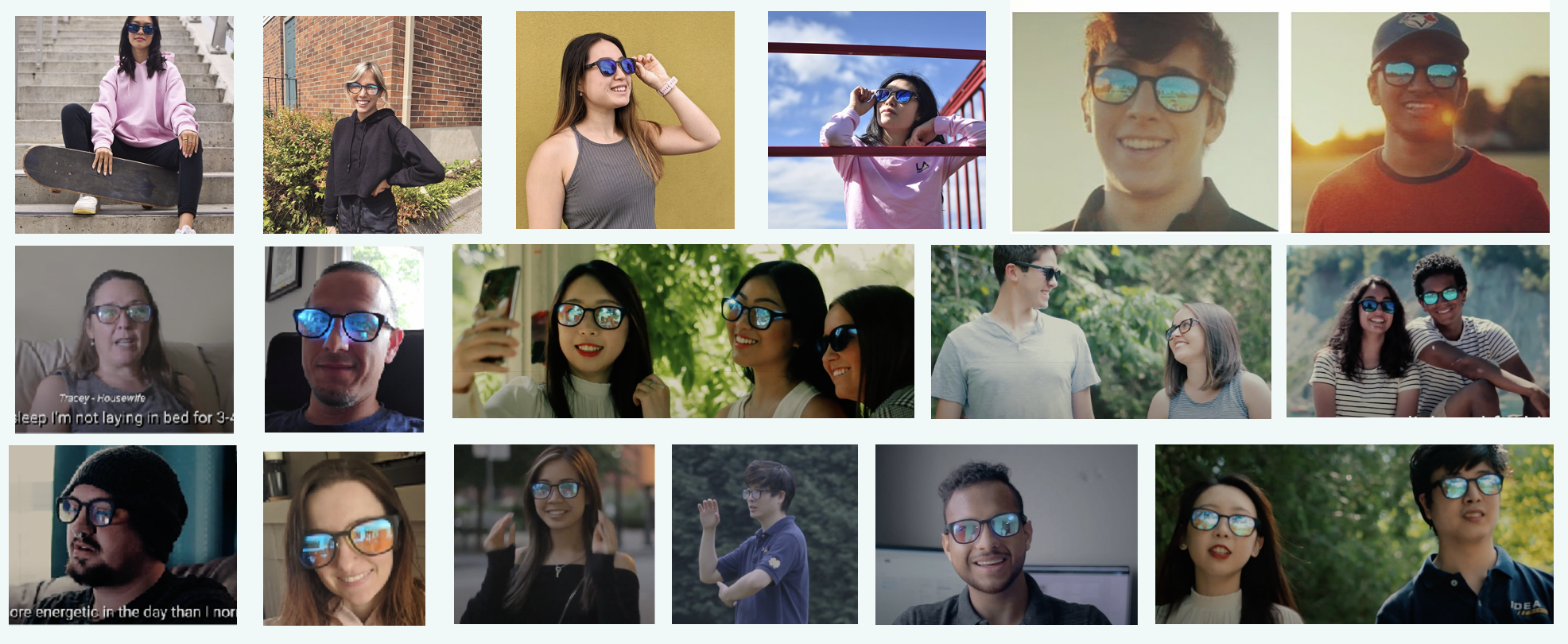
Lumos Glasses offer a truly wearable solution that delivers 550 melanopic lux directly to the eyes via discreet LED light sources embedded in the arms of the frame. Tuned to a wavelength range of 470–480 nm, this spectrum is known for its role in supporting circadian rhythm alignment and mood regulation.
Unlike visor-style devices or intermittent-use goggles, Lumos is designed to integrate seamlessly into daily life. Lightweight, minimalist, and Bluetooth-enabled, the glasses allow users to go about their routine while receiving clinically relevant light exposure—no pauses or posture adjustments required.
Early trials have shown meaningful improvements in sleep quality and mood outcomes within just a few weeks of use. The device is also photobiologically classified as safe for near-eye use, with testing confirming a generous safety margin beyond standard guidelines.
More than just light delivery, Lumos features on-board ambient light sensors calibrated to detect melanopic lux—offering real-time insight into how much effective light you’re getting and when you may need more.
Design-wise, Lumos draws inspiration from classic eyewear silhouettes—taking cues from the timeless appeal of Ray-Ban and merging them with subtle, embedded tech. The result is a wearable that doesn’t just perform, but belongs in your everyday wardrobe.
The core mechanism behind all of these devices is the regulation of circadian rhythms through melanopsin activation in the retina. Studies show that high melanopic lux exposure (especially early in the day) can:
The International WELL Building Institute recommends 250–300 melanopic lux indoors for optimal circadian health, yet most homes and offices fall well below this benchmark—often under 150 lux. Outdoors? Even on a cloudy morning, you can receive 10,000+ lux, far outpacing indoor levels.
Lumos bridges this gap, delivering 550 melanopic lux in just 30 minutes—with optional boosts to 1,000 and 1,500 lux for shorter sessions. It provides a robust circadian stimulus nearly 20x greater than a well-lit office, without compromising design or mobility.
The future of light therapy isn't just about intensity—it’s about intelligence, personalization, and wearability. Lumos is setting the stage for the next generation of light therapy wearables and is uniquely positioned to lead this shift.
With AI-driven scheduling, data-informed exposure feedback, and elegant industrial design, the next frontier of light therapy is not just brighter—it’s smarter.
Explore Lumos Glasses: Revolutionary Light Therapy Glasses that look as good as they perform.