Lumos Glasses
Learn more

Improve Your Sleep Quality: Science-Backed Strategies and Products

Sleep is essential for cognitive performance, emotional regulation, and long-term health. Yet more than one-third of adults sleep fewer than seven hours a night. Chronic sleep loss elevates the risk of metabolic disease, cardiovascular events, mood disorders, and immune dysfunction. Fortunately, sleep quality improves when biology, behaviour, and environment are aligned. The sections below outline practical interventions supported by peer-reviewed research and clinically tested products.
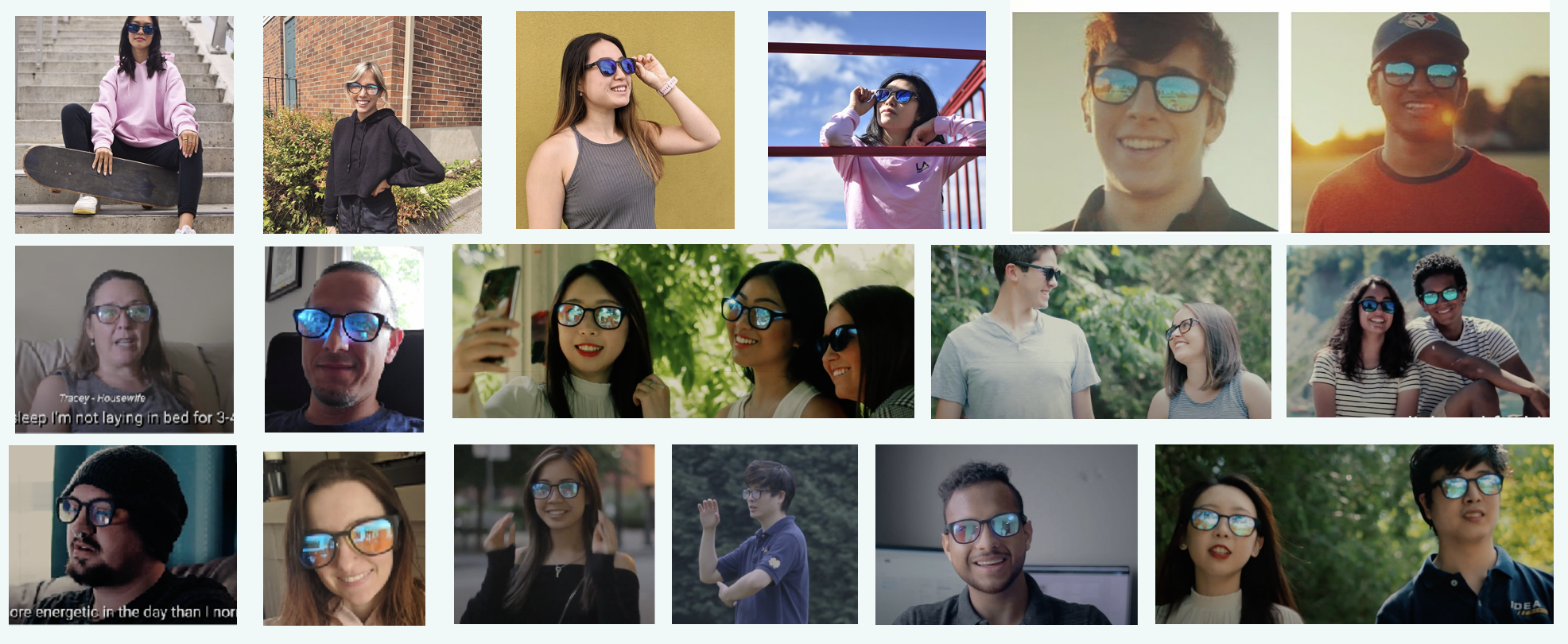
Light is the primary cue for setting the circadian clock. Short-wavelength, blue-enriched light striking melanopsin-containing retinal ganglion cells suppresses melatonin and promotes daytime alertness. Indoor lifestyles—especially at northern latitudes—often provide insufficient morning light. Targeted light therapy helps fill the gap. Wearable devices such as Lumos Glasses deliver roughly 550 melanopic lux to the lower-nasal retina, a dosage shown in multiple trials to speed circadian alignment.
A complementary option is a dawn-simulation alarm clock. Lamps like the Philips SmartSleep HF3520 and the Hatch Restore ramp light intensity gradually over 30–40 minutes before wake time, reproducing a natural sunrise and reducing sleep inertia.
Core body temperature drops slightly before sleep; facilitating this drop shortens sleep-onset latency. Setting the bedroom to 18–20 °C (65–68 °F) supports deeper non-REM sleep. Active cooling systems such as the Eight Sleep Pod or the ChiliPad Cube lower mattress temperature independently of room air. Breathable bedding and moisture-wicking fabrics also help maintain a stable thermal envelope.
Evening exposure to blue-enriched light delays melatonin release. Reducing screen time one hour before bed is ideal. When screens cannot be avoided, software filters like f.lux or Night Shift, and physical filters such as TrueDark or RA Optics, attenuate short-wavelength light. Lumos Glasses shift into a blue-blocking mode after sunset, matching natural dusk spectra.
Large or spicy meals late in the evening increase wakefulness, while certain nutrients support sleep. Magnesium and L-theanine have mild sedative and anxiolytic effects. Low-dose melatonin (0.3–1 mg) may help delayed-sleep-phase disorders under medical guidance. Powdered blends such as Beam Dream or Blossom Golden Milk Sleep Latte combine these ingredients into an easy evening beverage.
Tart cherry juice provides exogenous melatonin and tryptophan precursors; randomized trials have shown longer total sleep time after evening intake. Two widely available options are Cheribundi Original and Lakewood Organic Pure Tart Cherry.
Darkness, quiet, and ergonomic support are key environmental factors. Blackout curtains or an eye mask prevent even low-level light from suppressing melatonin. Continuous broadband noise from devices such as the LectroFan Classic masks environmental sounds and reduces micro-arousals.
Mattresses influence both spinal alignment and heat dissipation. Independent testing consistently rates Saatva, Avocado Green, and Tempur-Pedic for pressure relief and thermal performance. Smart beds extend this concept further: the Sleep Number Climate360 adjusts firmness and actively cools or warms each side while recording sleep metrics for long-term trend analysis.
Weighted blankets can lower autonomic arousal through deep-pressure stimulation. Clinical trials in adults with chronic insomnia found significant reductions in Insomnia Severity Index after four weeks of use. Two evidence-based models are the glass-bead filled Gravity Blanket and the hand-knit Bearaby Cotton Napper.
Longitudinal bio-data help identify behavioral triggers that impair rest. Optical sensor rings such as the Oura Ring and the WHOOP Strap record heart-rate variability, skin temperature, and movement, then estimate sleep stages. Validation studies against polysomnography report wake-sleep accuracy above 90 percent for both devices. Night-to-night trends allow users to correlate late caffeine, alcohol, or intense workouts with next-day alertness and guide incremental habit changes.
Fixed bed and wake times stabilize the suprachiasmatic nucleus, while a 30-minute wind-down—reading, light stretching, or journaling—shifts the autonomic nervous system toward parasympathetic dominance. Cognitive Behavioral Therapy for Insomnia remains the first-line treatment for chronic cases; the digital platform Sleepio has demonstrated clinically significant symptom reduction in multiple randomized trials.
Improving sleep rarely hinges on a single gadget or supplement; it requires aligning light, temperature, nutrition, environment, and behavior with circadian biology. For those lacking bright morning light—especially during winter—Lumos Glasses deliver sky-matched spectra in a stylish, wearable form, reinforcing natural rhythms without stimulants or sedatives. Consistency is key: small, evidence-based adjustments practiced daily yield meaningful, lasting gains in sleep quality.